
Why South Indian Breakfast Foods Like Dosa and Idli Are Becoming Popular Gluten-Free Choices in BC
Across British Columbia, diners are looking for satisfying breakfasts that fit their food preferences. Some avoid gluten because of coeliac disease, which requires strict gluten avoidance. Others want more variety. Across BC, these dishes offer curious local diners an approachable way to discover regional cooking traditions and everyday flavours. South Indian dishes such as dosa and idli have attracted attention because their traditional recipes are often made with rice and lentils rather than wheat. Their flavour, texture and flexibility make them interesting choices for anyone exploring a different start to the day.
A Traditional Breakfast With Simple Ingredients
A south indian breakfast often centres on fermented batters, savoury sides and warm spices. Dosa is a thin pancake cooked on a hot surface, while idli is a soft, steamed cake. Traditional versions commonly use rice and urad dal, also known as black gram. Neither ingredient naturally contains gluten.
That ingredient list appeals to people seeking a gluten free breakfast. Recipes differ, however. Some kitchens use mixes or shared equipment, so diners with coeliac disease should ask about preparation rather than assume every version is safe.
Dosa Offers Crispness and Choice
Dosa is known for its delicate crisp edges and tender centre. It can be served plain or filled with a spiced potato mixture, then paired with chutney and sambar. The contrast between the crisp crepe and warm filling makes it a breakfast that feels complete without relying on bread or toast.
Choose according to appetite. A plain dosa can be lighter, while a masala version offers a heartier option. Because its base batter is usually rice and lentils, dosa can be a wheat-free alternative. Ask whether the kitchen adds wheat flour or uses a shared cooking surface.
Idli Brings a Softer Start
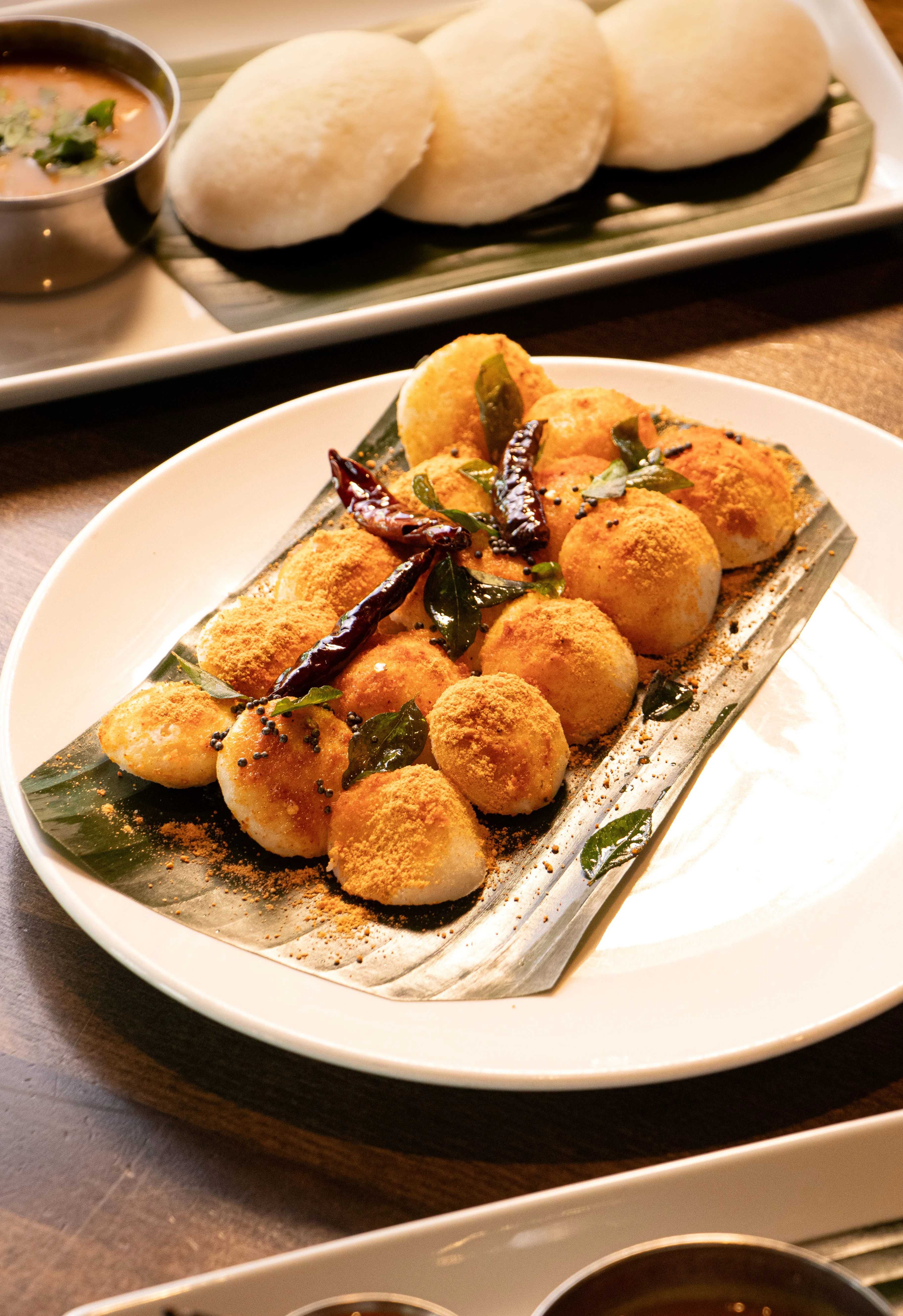
Idli provides a different experience. The batter is poured into moulds and steamed, creating small, soft cakes with a mild flavour. Their gentle texture works well with coconut chutney, tomato chutney or sambar. Since idli is steamed rather than pan-fried, it can feel like a simple, comforting choice in the morning.
Its mild taste also makes it easy to pair with stronger flavours. Sambar adds warmth and savoury depth, while chutneys bring freshness, tang or a little heat. Traditional idli batter is generally based on rice and urad dal, but diners should still check ingredients and kitchen practices when strict gluten avoidance is necessary.
Fermentation Adds More Than Flavour
Fermentation is an important part of making many traditional dosa and idli batters. Rice and lentils are soaked, ground and left to ferment before cooking. This process helps develop the batter’s characteristic tang and airy texture. It also changes the food in ways that can affect digestibility, although individual responses vary.
Fermentation is not a cure-all or a guarantee that a dish will suit everyone. Its main contribution is flavour and texture. The slight sourness balances savoury sides, and the batter cooks into a pleasing contrast of crisp, fluffy or tender textures.
A Flexible Fit for Different Diets
South Indian breakfast dishes can work with several eating preferences. Plain dosa and idli are often made without dairy or eggs, which can make them suitable choices for people looking for vegan food. However, accompaniments matter. Some chutneys may contain yoghurt, and recipes can vary, so ask how each item is prepared.
Sambar is commonly a lentil and vegetable stew, but ingredients differ from one kitchen to another. A meal can be adjusted by choosing suitable chutneys, checking cooking fats and asking about fillings. This flexibility helps groups with different preferences share a meal without everyone ordering the same thing.
What BC Diners Should Check Before Ordering
For diners with coeliac disease or serious sensitivity, a few extra questions are worthwhile. Rice and lentils may be naturally gluten-free, but cross-contact can happen through shared griddles, utensils, oil, storage containers or preparation areas.
Before ordering, consider these practical checks:
1. Ask whether the batter contains only rice, lentils and other gluten-free ingredients.
2. Check whether the dosa is cooked on a clean, separate surface.
3. Ask whether chutneys, sambar and fillings contain flour or other gluten sources.
4. Explain if you need strict gluten avoidance because of coeliac disease.
Clear questions help staff understand what matters and allow diners to make an informed choice. Restaurants should answer honestly if they cannot prevent cross-contact.
A Breakfast Worth Exploring
The growing interest in South Indian breakfast is about more than one dietary trend. Dosa and idli offer familiar comfort in a different form: crisp or soft textures, satisfying savoury flavours and ingredients that are naturally free from wheat in many traditional recipes. They can also be adapted for plant-based preferences, provided the sides and cooking methods suit the diner.
For people in BC who want to broaden their morning routine, these dishes offer a delicious place to begin. At Dosa Club, diners can explore South Indian flavours and ask the team about ingredients and preparation. A thoughtful question makes it easier to choose a breakfast that matches personal needs.
Leave a Comment
Comments (0)